
People
Africa's Change Makers
A spotlight on the women and men whose leadership, invention, artistry and thought have reshaped Africa and the world.
Browse by category
Politicians
Leaders whose governance enlarged the dignity of the African people.
6 portraits
Ethiopia
Sovereignty & Unity
Haile Selassie I
1892 – 1975
Emperor of Ethiopia (1930–74). Defied the Italian invasion before the League of Nations in 1936 in a speech that became a charter against aggression, convened the founding summit of the Organisation of African Unity in Addis Ababa in 1963, and made Ethiopia the diplomatic capital of independent Africa.
Ghana
Pan-African Thought
Kwame Nkrumah
1909 – 1972
First Prime Minister and President of Ghana. Led Ghana to independence in 1957 — the first sub-Saharan colony to break free of European rule — co-founded the Organisation of African Unity in 1963, and gave Pan-Africanism its enduring intellectual framework.
DR Congo
Independence & Sovereignty
Patrice Lumumba
1925 – 1961
First Prime Minister of the independent Republic of the Congo (1960). His Independence Day speech of 30 June 1960, delivered in the presence of King Baudouin, named the wounds of Belgian colonial rule and demanded the dignity of the African worker. Assassinated at 35; became a symbol of African self-determination across the continent.
Tanzania
Self-Rule & Education
Julius Nyerere
1922 – 1999
First President of Tanzania (1964–85). Led Tanganyika to independence in 1961, united it with Zanzibar to form Tanzania, and built a nation on ujamaa socialism and universal primary education. Resigned voluntarily from office and spent his retirement years translating the Bible into Swahili.
South Africa
Statesmanship
Nelson Mandela
1918 – 2013
Anti-apartheid leader; first democratically elected President of South Africa (1994–99). Spent 27 years in prison, then led a peaceful transition from apartheid and established the Truth and Reconciliation Commission. Nobel Peace Prize, 1993.
Liberia
Statesmanship
Ellen Johnson Sirleaf
b. 1938
Africa's first elected woman head of state; President of Liberia (2006–18). Rebuilt the country after two civil wars, secured the cancellation of $4.6 billion in external debt, and won the Nobel Peace Prize in 2011 for her non-violent struggle for women's safety and participation.
Business Leaders & Innovators
Makers of institutions, enterprises and movements that endure.
6 portraits
Eritrea / Palestine
Liberation
Fatima Bernawi
1939 – 2022
Born in Jerusalem to an Eritrean father, she became the first Palestinian woman taken as a political prisoner by Israel (1967–77) and later founded and led the women's police corps under the Palestinian Authority.
Nigeria
Enterprise
Aliko Dangote
b. 1957
Industrialist. Founded the Dangote Group, Africa's largest cement, sugar and salt producer with operations in 10 African countries, and built the Dangote Refinery in Lagos — the world's largest single-train oil refinery — designed to make Nigeria fuel-self-sufficient.
Zimbabwe
Telecommunications & Education
Strive Masiyiwa
b. 1961
Entrepreneur and philanthropist. Founded Econet Wireless, which became one of Africa's largest telecommunications companies, and established the Higherlife Foundation, which has provided scholarships to over 250,000 African students. Appointed to the board of Netflix and serves as an African Union special envoy.
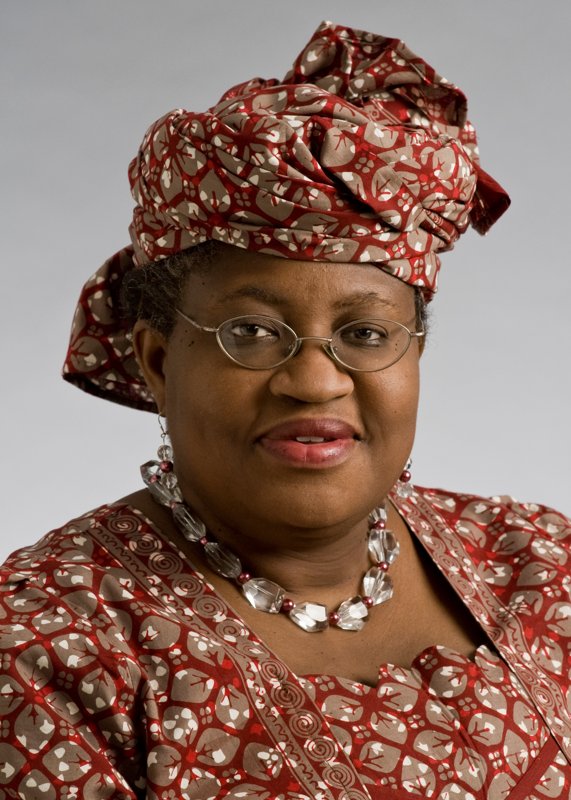 Nigeria
Global Economic Leadership
Ngozi Okonjo-Iweala
b. 1954
Economist and international stateswoman. Served two terms as Nigeria's Finance Minister, during which she negotiated the cancellation of $30 billion in external debt, and in 2021 became the first woman and first African to serve as Director-General of the World Trade Organisation.
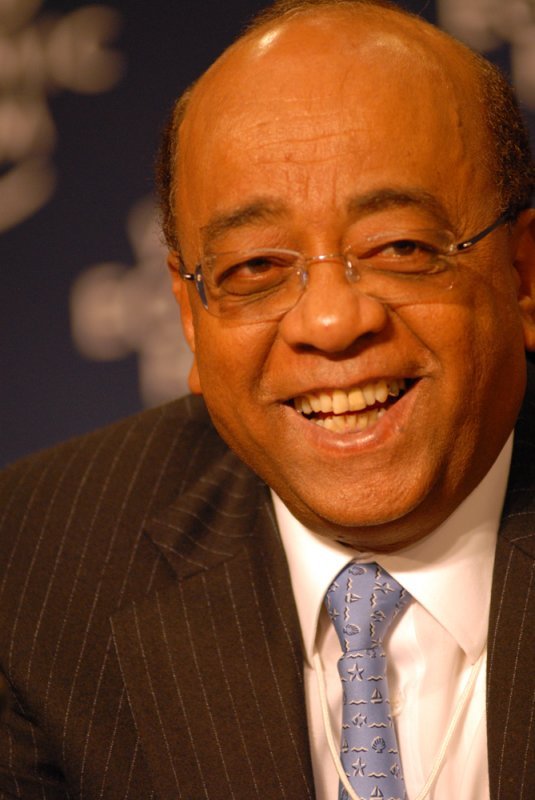 Sudan
SudanTelecommunications & Governance
Mo Ibrahim
b. 1946
Telecommunications entrepreneur and philanthropist. Founded Celtel, which brought mobile telephony to 14 African countries before its sale for $3.4 billion in 2005; established the Mo Ibrahim Foundation and the Ibrahim Prize for Achievement in African Leadership, the world's largest individual award for heads of state.
Nigeria
Banking & Entrepreneurship
Tony Elumelu
b. 1963
Banker and philanthropist. Transformed the struggling Standard Trust Bank into United Bank for Africa, today serving over 45 million customers across 20 African countries, and pledged $100 million through the Tony Elumelu Foundation to fund and mentor 10,000 young African entrepreneurs over a decade — the largest philanthropic programme of its kind on the continent.
Global Leaders
Witnesses whose lives proclaimed a truth larger than themselves.
6 portraits
South Africa
Non-violent Resistance
Albert Luthuli
1898 – 1967
President-General of the African National Congress (1952–67). Led the Defiance Campaign against apartheid laws, was banned and confined to his rural home for much of his presidency, and in 1960 became the first African to win the Nobel Peace Prize for his non-violent resistance to white minority rule.
South Africa
Black Consciousness
Steve Biko
1946 – 1977
Anti-apartheid activist and founder of the Black Consciousness Movement. Co-founded the South African Students' Organisation in 1968, taught a generation of young South Africans that the most potent weapon in the hand of the oppressor is the mind of the oppressed, and was murdered in police custody at 30 — his death galvanising international opposition to apartheid.
Kenya
Earth & Peace
Wangari Maathai
1940 – 2011
Founded the Green Belt Movement in 1977, which has planted more than 51 million trees across Kenya and trained over 30,000 women in forestry and beekeeping. First African woman — and first environmentalist — to win the Nobel Peace Prize, 2004.
Burkina Faso
Public Witness
Thomas Sankara
1949 – 1987
President of Burkina Faso (1983–87). Renamed Upper Volta to Burkina Faso ("Land of Upright People"), vaccinated 2.5 million children against measles, yellow fever and meningitis in a single week, made Burkina Faso food-self-sufficient through land reform, banned forced marriage and female genital cutting, and refused all foreign aid that compromised the country's sovereignty.
South Africa
Reconciliation & Justice
Desmond Tutu
1931 – 2021
Anglican archbishop and anti-apartheid campaigner. Won the Nobel Peace Prize in 1984 for his non-violent opposition to apartheid, chaired South Africa's Truth and Reconciliation Commission, and spent his later years campaigning for HIV/AIDS treatment, climate justice and LGBTQ+ dignity across the world.
Ghana
Global Peace & Reform
Kofi Annan
1938 – 2018
Seventh Secretary-General of the United Nations (1997–2006). The first black African to hold the post, he reformed UN peacekeeping operations, established the Global Fund to Fight AIDS, Tuberculosis and Malaria, and won the Nobel Peace Prize in 2001 jointly with the UN for their work for a better organised and more peaceful world.
Inventors, Scientists & Thinkers
Thinkers who returned Africa to the centre of its own knowledge.
6 portraits
Senegal
History & Science
Cheikh Anta Diop
1923 – 1986
Historian, physicist and Egyptologist. Demonstrated the African origins of ancient Egyptian civilisation in Nations nègres et culture (1954), established West Africa's first radiocarbon-dating laboratory at IFAN in Dakar, and shaped UNESCO's General History of Africa.
Nigeria
Letters
Chinua Achebe
1930 – 2013
Novelist. Wrote Things Fall Apart (1958) — the most widely read African novel in history, translated into more than 50 languages — and won the Man Booker International Prize in 2007 for his lifelong achievement in literature.
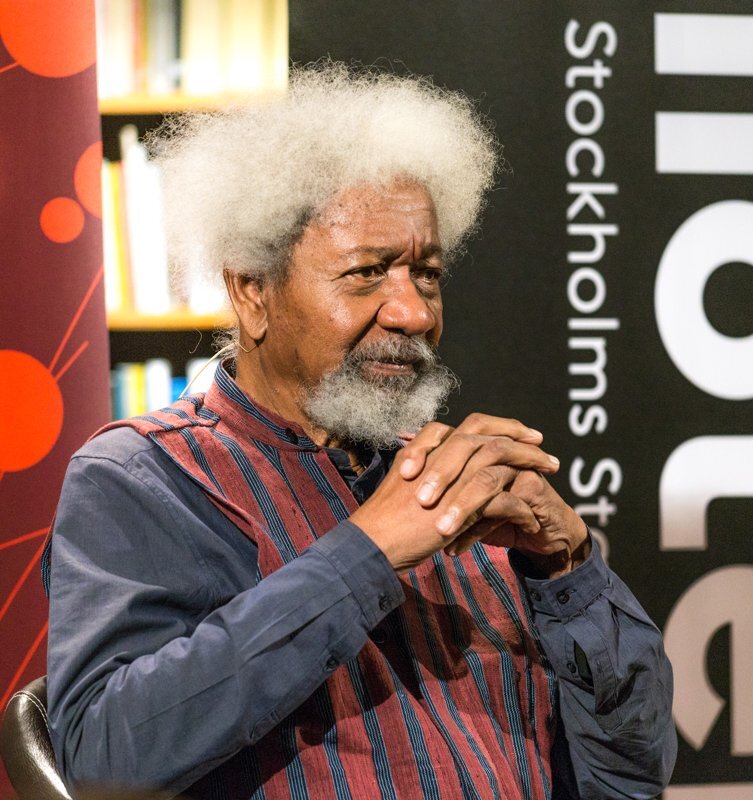 Nigeria
Letters & Drama
Wole Soyinka
b. 1934
Playwright, poet and essayist. First African to win the Nobel Prize in Literature (1986). Wrote Death and the King's Horseman, A Dance of the Forests and The Man Died, and has been an unyielding voice for human rights and democratic governance across five decades.
Kenya
Letters & Linguistics
Ngũgĩ wa Thiong'o
b. 1938
Novelist, playwright and essayist. Author of Weep Not, Child, A Grain of Wheat and Petals of Blood; abandoned English as his literary language and began writing in Gikuyu to demonstrate that African languages can bear the full weight of modern thought.
Kenya
Political Science & History
Ali Mazrui
1933 – 2014
Political scientist and public intellectual. Delivered the BBC Reith Lectures in 1979 as The African Condition and wrote and presented the nine-part PBS/BBC television series The Africans: A Triple Heritage (1986), interpreting Africa to a global audience through its indigenous, Islamic and Western inheritances.
Nigeria
Letters & Ideas
Chimamanda Ngozi Adichie
b. 1977
Novelist and essayist. Author of Purple Hibiscus, Half of a Yellow Sun (Orange Prize, 2007) and Americanah; her TED talks The Danger of a Single Story and We Should All Be Feminists have together been heard by tens of millions worldwide.
Artists
Voices that carried Africa's song and image to the world.
6 portraits
South Africa
Music & Witness
Miriam Makeba
1932 – 2008
Singer known as Mama Africa. Won the Grammy for Best Folk Recording in 1966 with Harry Belafonte for An Evening with Belafonte/Makeba, testified against apartheid before the United Nations in 1963 — for which her South African citizenship was revoked — and carried African music to a global audience.
Senegal
Cinema & Literature
Ousmane Sembène
1923 – 2007
Novelist and filmmaker known as the father of African cinema. Wrote God's Bits of Wood and Black Docker before turning to film; his 1966 short Borom Sarret was the first film made by a sub-Saharan African director, and he spent his career creating African stories for African audiences.
South Africa
Jazz & Resistance
Hugh Masekela
1939 – 2018
Trumpeter, composer and singer. His 1968 hit Grazing in the Grass topped the US pop charts; spent 30 years in exile using his music to rally international opposition to apartheid, and returned to South Africa in 1990 to help rebuild its cultural life. Opened the 2010 FIFA World Cup ceremony in Soweto.
Nigeria
Music & Resistance
Fela Kuti
1938 – 1997
Musician, composer and political activist. Invented Afrobeat — a fusion of Yoruba highlife, jazz and funk — and used his band Africa 70 and later Egypt 80 to indict military corruption and human-rights abuses in Nigeria, surviving repeated government attacks on his person and his Kalakuta Republic commune.
Senegal
Music & Public Life
Youssou N'Dour
b. 1959
Singer, songwriter and statesman. Pioneered mbalax — a fusion of Wolof sabar drumming with Cuban and jazz traditions — collaborated with Peter Gabriel on the global hit 7 Seconds, won the Grammy for Best Contemporary World Music Album in 2005 for Egypt, and served as Senegal's Minister of Tourism and Culture (2012–13).
Benin
Music & Activism
Angélique Kidjo
b. 1960
Singer-songwriter and UNICEF Goodwill Ambassador. Winner of five Grammy Awards, she has released more than a dozen albums blending West African traditions with funk, jazz and Latin music; her Batonga Foundation has built secondary schools for girls across Benin.